
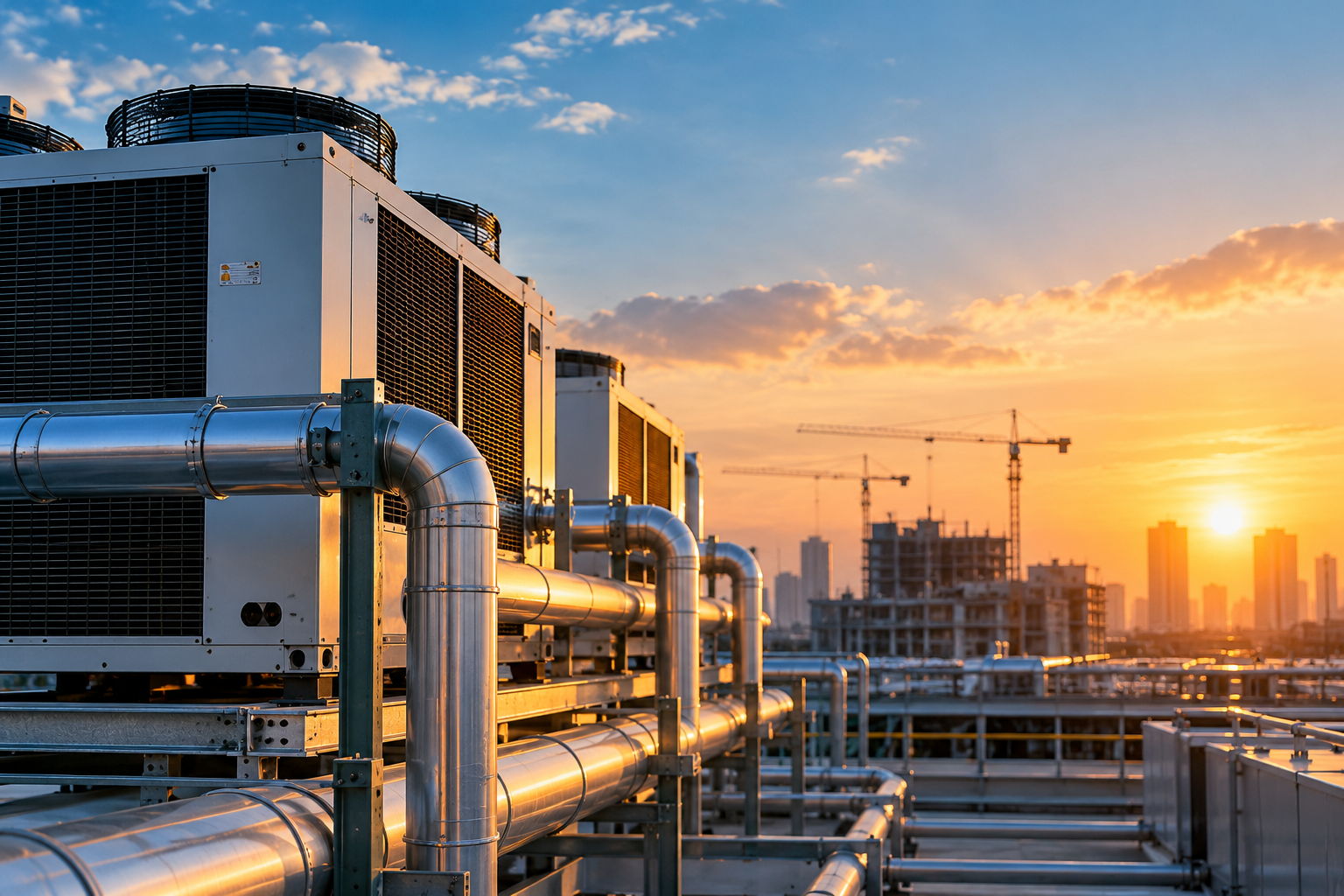
A properly designed and well-maintained HVAC system is essential for maintaining a comfortable, healthy, and productive environment in commercial and industrial facilities. HVAC systems can also have a significant impact on energy consumption and overall operating costs.
Regular attention to system performance, maintenance, airflow, and equipment condition can help prevent unexpected breakdowns and support reliable day-to-day operation. Here are five important HVAC tips for commercial and industrial facilities.
A well-maintained HVAC system delivers better performance, improves energy efficiency, and helps reduce unexpected downtime and operating costs.
Schedule Regular HVAC Maintenance
Regular maintenance helps identify potential issues before they develop into major problems. HVAC equipment should be inspected and serviced periodically to maintain proper performance and reliable operation.
Filters, coils, fans, belts, ducts, and other system components should be inspected and maintained according to equipment requirements and operating conditions.
Maintain Clean Filters and Components
Dirty filters and components can restrict airflow and reduce HVAC performance. When a system has to work harder to achieve the required conditions, energy consumption may also increase.
Regular cleaning and timely replacement of filters can help maintain proper airflow, improve system performance, and support energy efficiency.
Monitor HVAC Performance and Energy Consumption
Monitoring HVAC performance can help identify unusual changes in cooling, airflow, temperature, or energy consumption.
Keeping track of these parameters allows facility teams to identify potential issues at an early stage and take corrective action before they affect normal operations.
Ensure Proper Airflow and System Balancing
Proper airflow is important for maintaining consistent temperature and ventilation throughout a facility. Poor airflow can result from blocked air paths, duct-related issues, incorrect system balancing, or inadequate maintenance.
Regular inspection and proper system balancing can help ensure that air is distributed effectively and that the HVAC system operates efficiently.
Plan Preventive Maintenance Instead of Waiting for Breakdowns
Unexpected HVAC breakdowns can affect business operations and result in unplanned repair costs. Preventive maintenance helps identify potential problems early and address them before they develop into major failures.
A planned maintenance approach can improve equipment reliability, support longer service life, and help maintain smoother facility operations.
Conclusion
HVAC performance plays an important role in the efficiency and day-to-day operation of commercial and industrial facilities. Regular maintenance, clean components, proper airflow, performance monitoring, and preventive maintenance can help maintain reliable and efficient HVAC systems.
Brightside provides HVAC solutions for commercial and industrial requirements, including design, supply, installation, testing, commissioning, and maintenance.